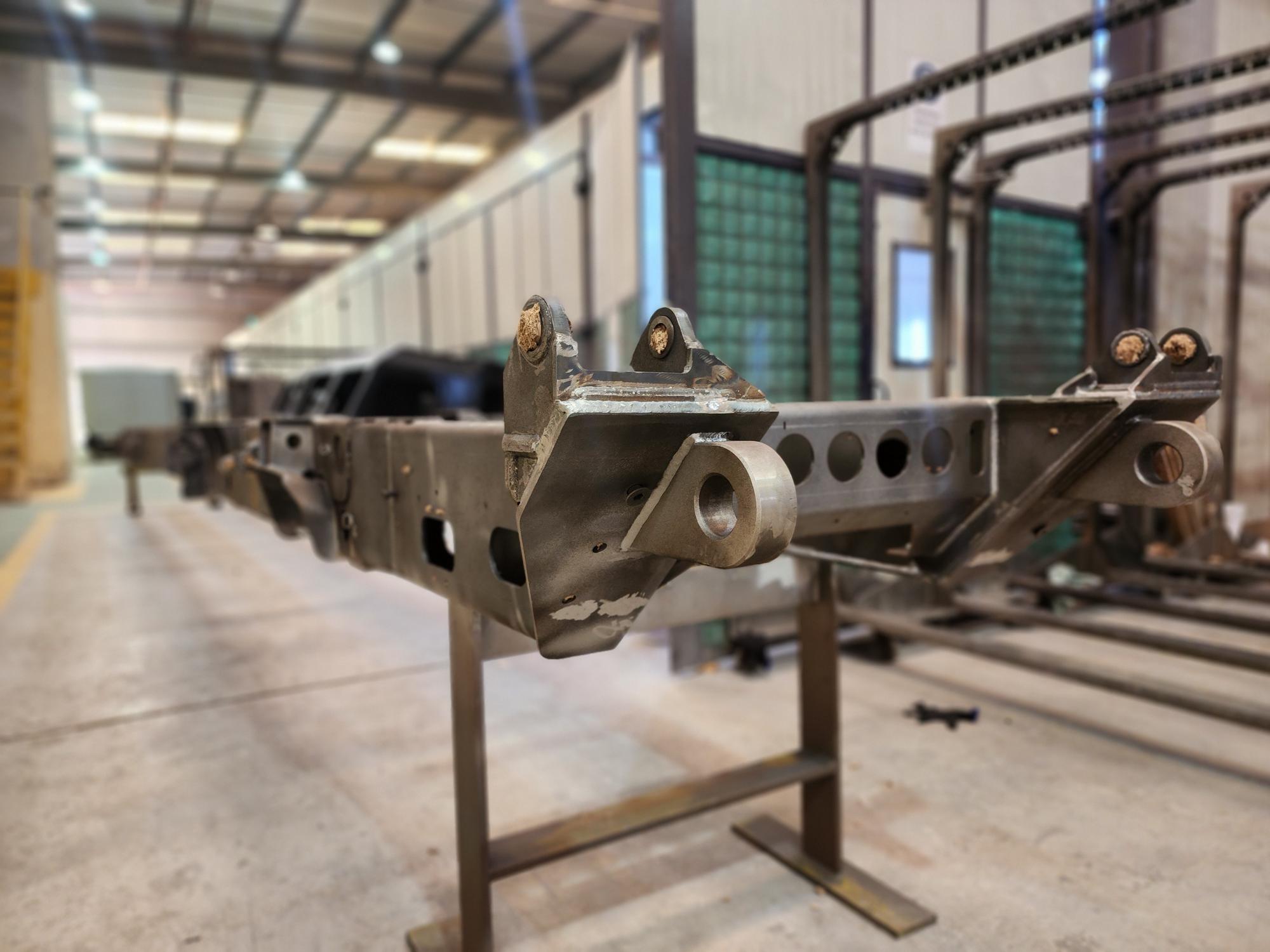
Fabrication is a process that involves the creation of products or structures by assembling, shaping, and altering raw materials. It supports the construction industry by providing customized solutions for various types of projects.
In this article, we will discuss the importance of fabrication for construction industry projects and how it contributes to the success and efficiency of these projects.
Accuracy in a controlled space:
Building parts in a factory setting changes the game for fabrication for construction industry Dubai. Workers are not fighting bad weather, wind, or dust. Machines can make cuts and welds with high accuracy. This means steel beams, ductwork, and wall panels are made to exact sizes. When these pieces arrive on site, they fit together as planned. This precision cuts down on wasted materials and time spent fixing errors.
Speed on the site:
Time is a critical resource on any project. Fabrication helps projects move faster. While the site foundation is being prepared, parts are being built off site. This parallel work shaves weeks off a schedule. Once parts are delivered, assembly is quick. It is like switching from building a model piece by piece to snapping together large, premade sections. Projects finish sooner, allowing people to use the building faster.
A safer way to build:
Construction sites have inherent risks. Fabrication moves a lot of the risky work away from the busy site. Tasks like welding, cutting, and painting happen in a dedicated facility. These spaces are designed for safety, with proper ventilation, stable flooring, and clear work zones. This leads to fewer accidents and a safer environment for everyone involved.
Consistent quality every time:
When you build parts one by one on site, results can vary. Fabrication ensures consistency. The same team follows the same procedures to make the hundredth piece just like the first. This reliable quality makes buildings stronger and more durable. It gives owners and developers confidence in the final product.
Managing costs effectively:
Budget overruns are a common worry. Fabrication provides strong cost control. With less material waste and fewer weather delays, spending is more predictable. Labor in a factory is also used very efficiently. While on site building can face unexpected costs, fabrication keeps the budget on a steadier path.
Fabrication is a smart approach for today’s construction demands. It brings together precision, speed, safety, quality, and cost control. By building smarter off site, the industry can build better on site.